
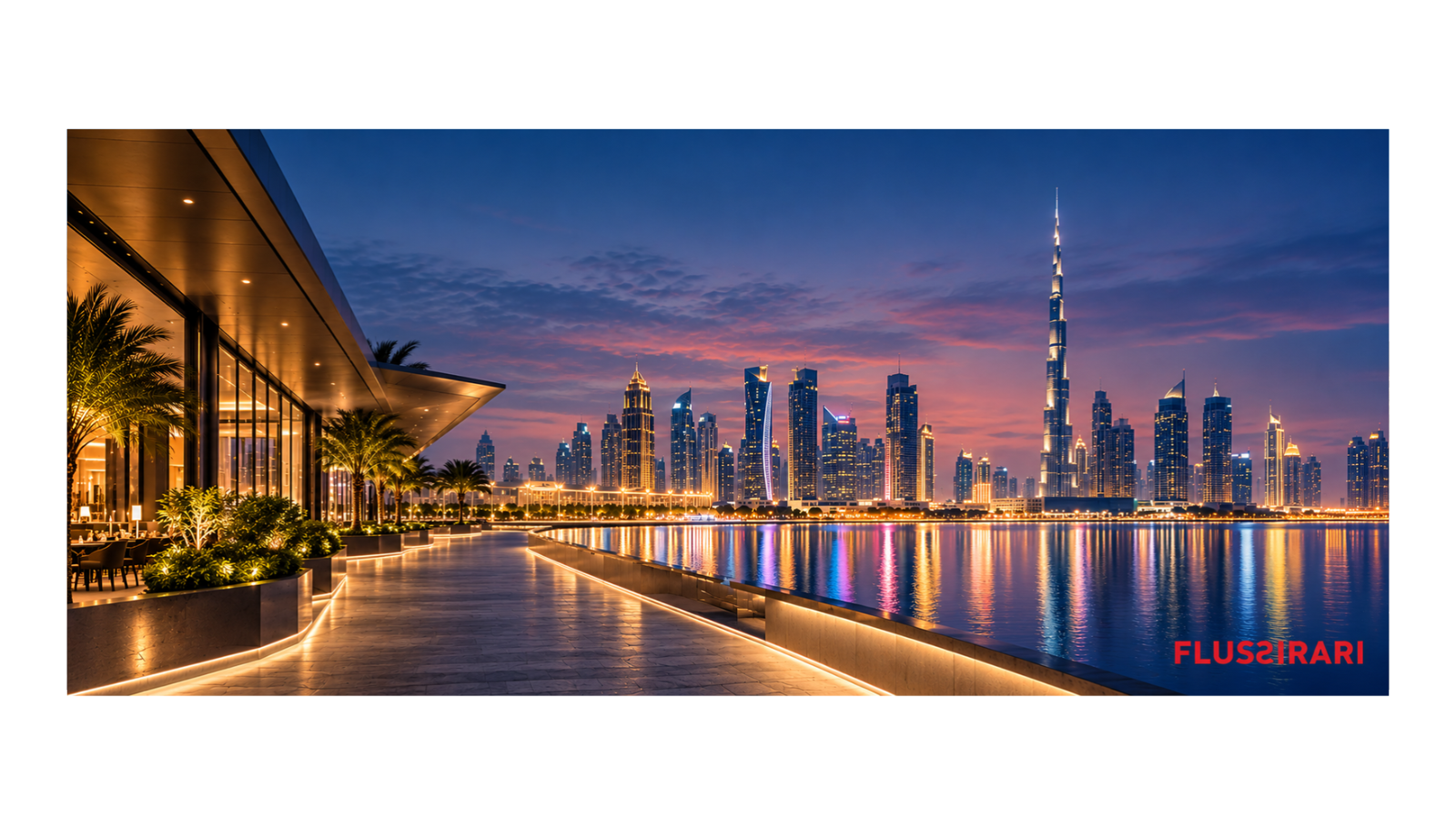
Giga-projects are more than real estate. They are geopolitical instruments. NEOM, Diriyah, Lusail, the new waterfronts of Dubai and Abu Dhabi, and emerging districts in Riyadh all demonstrate a transition from architecture as an object to architecture as diplomacy.
Tourism, talent attraction, economic diversification, and cultural signaling now converge within single developments. Lighting becomes part of these strategies.
Cities speak at night; giga-projects shout or whisper depending on intent.
From Technical Scope to Cultural Infrastructure
Lighting has historically been treated as a technical scope. In giga-projects, however, it becomes cultural infrastructure.
It shapes nighttime identity, district hierarchy, waterfront presence, and global perception. It influences how a city is photographed, how residents experience it, and how visitors remember it.
Lighting is no longer simply a finishing element. It becomes part of the way a destination communicates its ambitions to the world.
The Hybrid Logic of Giga-Projects
Giga-projects require a hybrid lighting strategy that connects multiple disciplines:
- Hospitality — atmosphere and lifestyle
- Infrastructure — mobility and safety
- Urban planning — hierarchy and legibility
- Tourism — imagery and visitor footfall
- Policy — standards and governance
- Smart cities — data and adaptability
- Real estate — valuation and resale potential
These dimensions cannot be addressed in isolation. A successful lighting strategy must reconcile the emotional experience of a destination with its operational requirements, urban structure, and long-term asset value.
Bridging Design and Infrastructure
Traditional lighting manufacturers may specialize in decorative applications or infrastructure performance. Giga-projects, however, demand an approach capable of bringing these disciplines together.
Flussirari bridges both through Italian design literacy and an understanding of the infrastructure resilience required across GCC environments.
This combination connects architectural sensitivity with technical performance, helping lighting respond to both the identity of a place and the demands of its operation.
Lighting as Soft Power
Soft power emerges when lighting elevates a city’s cultural and emotional presence.
A waterfront can become a recognizable urban image. A district can develop a distinct nighttime identity. A public space can communicate a sense of place that extends beyond its physical boundaries.
The future competition between cities will not be defined solely by skyscraper heights, but increasingly by experiential sophistication — by how successfully places combine architecture, public life, atmosphere, and meaning.
Lighting is the medium through which cities perform ambition.
Flussirari Team