
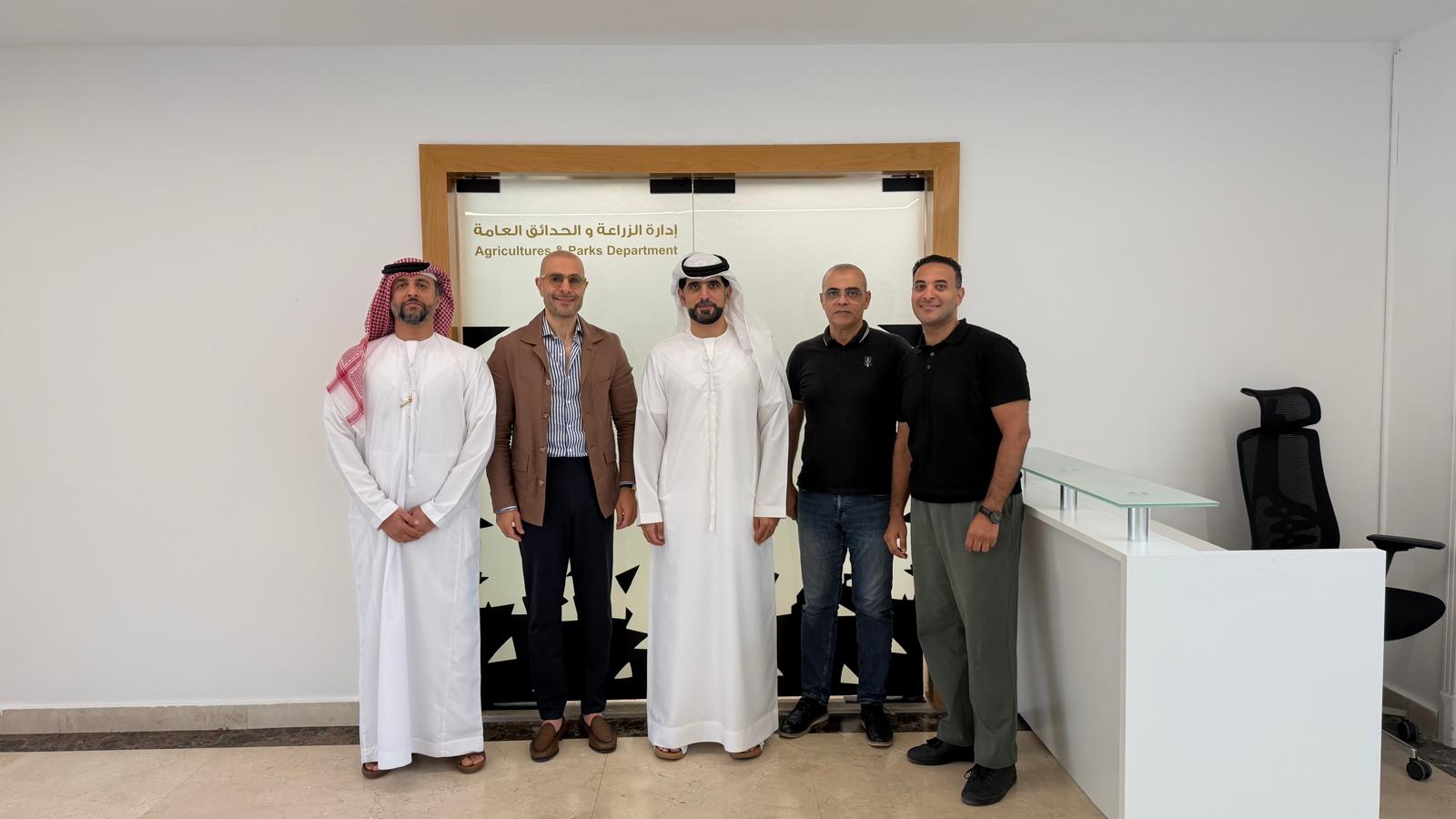
Flussirari Engages with the Government of Ajman Municipality & Planning Department on Sustainable Lighting for Architecture, Agriculture and Public Parks
Strategic discussions explore Italian lighting engineering, landscape illumination, solar technology and future opportunities for sustainable urban infrastructure.
Ajman, United Arab Emirates — Flussirari, an Italian architectural and infrastructure lighting company, recently held a strategic introductory meeting with the management of the Government of Ajman Municipality & Planning Department, including senior representatives from architecture, agriculture, public parks and public facilities.
The meeting focused on exploring opportunities for future technical and commercial cooperation in architectural lighting, outdoor LED lighting, public park illumination, landscape lighting and solar-powered lighting technologies.
The discussions provided an opportunity to exchange perspectives on how advanced lighting engineering, energy-efficient technologies and sustainable infrastructure solutions could contribute to Ajman’s evolving urban landscape and long-term development priorities.
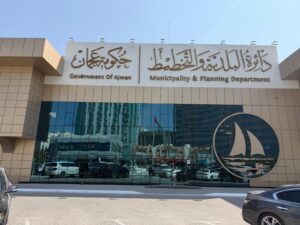
Connecting Italian Lighting Engineering with Ajman’s Urban Development Vision
Modern urban development requires more than infrastructure expansion. It demands intelligent integration between architecture, public spaces, green environments, energy efficiency and long-term operational performance.
Lighting plays an essential role in this transformation.
Well-engineered lighting systems can enhance architectural identity, improve nighttime accessibility, support public safety and reduce energy consumption while contributing to the overall quality of urban environments.
As an Italian architectural lighting company, Flussirari approaches these requirements through a combination of design integration, technical performance, environmental resilience and lifecycle value.
The engagement with the management of Ajman Municipality & Planning Department provided an opportunity to explore how international lighting expertise could support future municipal development initiatives.
Five Strategic Areas of Potential Lighting Cooperation
1. Architectural Lighting and Urban Identity
Architectural lighting plays an important role in defining how public buildings, landmarks and urban environments are experienced after sunset.
The discussions considered lighting solutions that can enhance architectural character while maintaining energy efficiency, visual comfort and appropriate illumination levels.
Flussirari’s approach focuses on integrating light into the architecture itself, rather than treating illumination as an isolated installation.
2. Agriculture, Public Parks and Landscape Lighting
A central focus of the meeting involved the lighting requirements of agricultural landscapes, public gardens, municipal parks and recreational environments.
Public green spaces require a careful balance between functionality, aesthetics, safety and environmental responsibility.
Potential applications include pedestrian pathways, garden illumination, landscaped areas, public gathering spaces and recreational facilities.
For agricultural and horticultural environments, lighting requirements may also extend to operational areas, nurseries and specialized applications where appropriate technologies must be selected according to the needs of the site.
The objective is to support attractive, accessible and sustainable environments without unnecessary light spill, glare or energy consumption.
3. Outdoor LED Lighting and Municipal Infrastructure
Outdoor lighting is a long-term infrastructure investment.
Public pathways, urban landscapes and municipal facilities require lighting systems capable of delivering reliable performance under demanding environmental conditions.
The meeting explored the importance of durable LED technologies, suitable optical control, energy efficiency and maintenance considerations.
For Flussirari, outdoor lighting performance must be evaluated not only through initial installation cost, but through the total value delivered over the system’s operational life.
4. Solar-Powered Lighting and Renewable Energy Integration
Solar lighting technologies formed another important part of the discussion.
Potential applications include public parks, pedestrian pathways, landscaped environments and selected outdoor infrastructure.
When properly designed for local solar conditions, operating requirements and maintenance needs, solar-powered lighting systems can contribute to reduced grid electricity consumption and support municipal sustainability objectives.
Flussirari views renewable-energy integration as part of a broader engineering approach in which lighting performance, system reliability and long-term economics must work together.
5. Sustainable Lighting Design and Lifecycle Performance
Beyond individual applications, the discussion considered the wider importance of sustainable lighting infrastructure.
Effective lighting investment requires attention to energy consumption, product durability, maintenance accessibility, optical performance and environmental conditions.
These factors influence not only the performance of an installation, but also the long-term operational costs borne by municipalities and public authorities.
Sustainable lighting is not simply about using less energy. It is about creating infrastructure that performs reliably, serves communities and preserves value over time.
Creating Mutual Value Through Technical and Institutional Dialogue
The meeting highlighted the potential benefits of connecting the Municipality & Planning Department’s understanding of local infrastructure priorities with Flussirari’s Italian lighting engineering expertise.
For the Government of Ajman, future cooperation could create opportunities to evaluate advanced architectural, landscape and solar lighting solutions suited to municipal requirements.
For Flussirari, the engagement creates an opportunity to better understand local development priorities, identify relevant technical applications and explore future commercial opportunities in public infrastructure and sustainable urban lighting.
The exchange also emphasized the importance of considering lighting as part of an integrated urban development strategy rather than an isolated product installation.
The most valuable infrastructure partnerships begin with understanding the needs of a city—not simply presenting products.
Building a Foundation for Future Collaboration
The introductory meeting between Flussirari’s management and the management of the Government of Ajman Municipality & Planning Department represents a constructive first step toward identifying potential areas of technical and commercial cooperation.
The discussion brought together several interconnected areas of urban development: architectural identity, agricultural environments, public parks, outdoor lighting infrastructure and solar technologies.
As Ajman continues to develop its public environments, these areas offer opportunities to explore lighting systems that support community well-being, environmental responsibility, operational efficiency and long-term infrastructure performance.
For Flussirari, institutional engagement with government authorities and municipal planning stakeholders forms part of its broader commitment to connecting Italian design and engineering with the practical requirements of modern cities.
The future of sustainable cities will be shaped not only by the infrastructure they build, but by how intelligently they integrate architecture, nature, technology and public life.
Flussirari Team— Lighting a Brighter Tomorrow